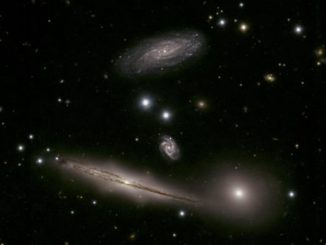
HCG 87
Deep-Sky Objects

Deep-Sky Objects in Capricornus

Capricornus, the 40th largest constellation, is the smallest of the 12 zodiac constellations, covering an area of just 414 square degrees of the southern sky between latitudes +60° and -90°. The most luminous star in …
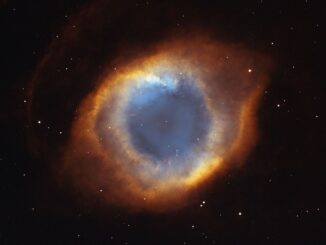
Helix Nebula (NGC 7293), a planetary nebula in Aquarius
Deep-Sky Objects

Deep-Sky Objects in Aquarius

Aquarius is the 10th largest of the 88 recognized constellations and the second largest of the zodiac constellations, covering approximately 980 square degrees of sky. Its brightest star, Sadalsuud (Beta Aquarii), is a yellow supergiant …
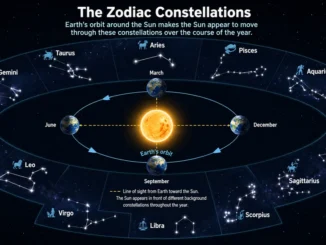
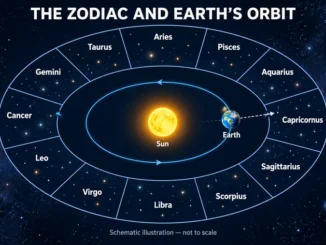
The 12 zodiac constellations around Earth's orbit and the Sun
Star Constellations

The 12 Zodiac Constellations

For thousands of years, people have recognized twelve constellations of the zodiac, from Aries the Ram to Pisces the Fishes. Each has its own distinctive star pattern, mythology and place in the night sky. In …
Star map of the Scorpius constellation
Star Constellations

Scorpius Constellation: Facts About the Scorpion

Scorpius—Latin for “scorpion”—is one of the most distinctive constellations in the night sky. Unlike many constellations whose supposed figures require considerable imagination, its bright stars really do trace something resembling a scorpion, complete with a …
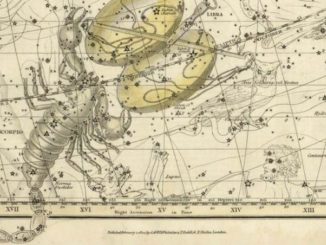
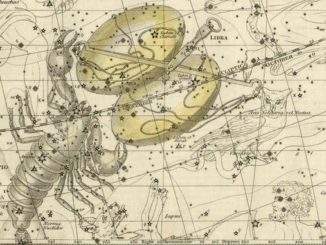
Historical illustration of Libra the Scales and neighboring Scorpius
Star Constellations

Libra Constellation: Facts About the Scales

Libra is a relatively faint zodiac constellation, traditionally depicted as a set of scales held by neighboring Virgo. Its Latin name means “balance” or “scales,” and it is the only zodiac constellation represented by an …
Star Constellation Facts: Leo, the Lion
Star Constellations

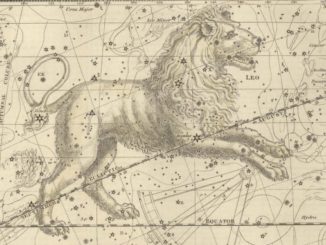
Leo Constellation: Facts About the Lion

Leo is one of the easiest zodiac constellations to spot in the Northern Hemisphere’s spring sky. Its curved “Sickle” of bright stars, shaped like a backward question mark, traces the Lion’s head and mane and …